
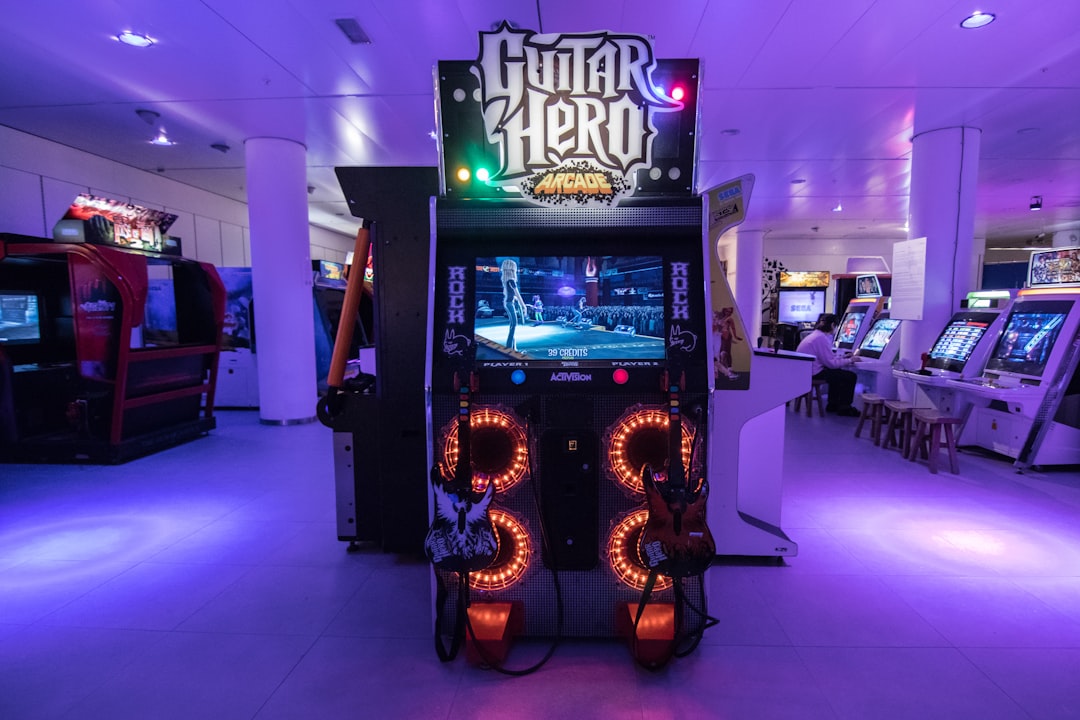
Gaming culture has undergone a remarkable transformation over the past four decades. What began as a niche hobby confined to arcades and basements has evolved into a dominant force in global entertainment, influencing fashion, music, technology, and social interaction. Understanding this evolution provides insight into how gaming became the cultural phenomenon it is today.
The Arcade Era and Early Communities
Gaming culture's roots trace back to the arcade golden age of the 1980s. Arcades served as social hubs where players gathered to compete for high scores and showcase skills. Games like Pac-Man, Space Invaders, and Donkey Kong created the first gaming celebrities, with top players achieving local fame and respect within their communities.
These early gaming spaces established social dynamics that persist today: friendly competition, skill-based respect hierarchies, and shared passion for interactive entertainment. Italian arcades contributed to this global phenomenon, with gaming parlors becoming popular gathering spots for youth culture throughout major cities.
Home Consoles and the Bedroom Revolution
The introduction of home consoles like the Nintendo Entertainment System and Sega Genesis shifted gaming from public spaces into private homes. This transition democratized access to games while creating new cultural patterns. Sleepovers centered around multiplayer gaming sessions, siblings competed for screen time, and gaming magazines became essential sources of tips and news.
This era established gaming as a legitimate hobby rather than a passing fad. Iconic franchises like Super Mario, The Legend of Zelda, and Sonic the Hedgehog created lasting cultural touchstones that resonate across generations. Gaming language and references began permeating broader popular culture, though mainstream acceptance remained limited.
Online Gaming and Global Communities
Internet connectivity revolutionized gaming culture by connecting players worldwide. MMORPGs like World of Warcraft and competitive shooters like Counter-Strike created persistent online communities that transcended geographical boundaries. Players formed guilds, clans, and friendships with people they might never meet in person, challenging traditional notions of social connection.
Voice chat, forums, and eventually social media platforms allowed gaming communities to flourish outside game worlds. These digital spaces became venues for strategy discussion, content sharing, and cultural expression. Memes, inside jokes, and shared experiences created distinct community identities that strengthened gaming's cultural significance.
Streaming and Content Creation Revolution
Platforms like Twitch and YouTube fundamentally altered how people engage with gaming. Watching others play games became entertainment in its own right, with top streamers attracting audiences comparable to traditional television programming. This shift transformed gaming from purely participatory activity into spectator entertainment, expanding its cultural reach.
Content creators became influential figures in gaming culture, shaping opinions, trends, and purchasing decisions. The parasocial relationships between streamers and audiences created new forms of community and celebrity. Italian content creators have contributed significantly to this global phenomenon, building dedicated followings through personality-driven gaming content.
Esports and Competitive Gaming Legitimacy
Competitive gaming evolved from informal tournaments to professional esports with multi-million dollar prize pools, corporate sponsorships, and mainstream media coverage. Games like League of Legends, Dota 2, and Counter-Strike: Global Offensive attract millions of viewers for championship events, with top players achieving celebrity status and lucrative careers.
Esports legitimized gaming as a viable career path and competitive pursuit comparable to traditional sports. Universities offer esports scholarships, cities build dedicated arenas, and traditional sports organizations invest in esports teams. This professionalization elevated gaming's cultural status while introducing new audiences to competitive gaming's excitement.
Gaming as Mainstream Entertainment
Gaming has transcended niche hobby status to become central to mainstream entertainment. Major game releases generate more revenue than blockbuster films, celebrities openly discuss their gaming habits, and gaming references permeate television, movies, and music. The stigma once associated with gaming has largely dissolved, replaced by cultural acceptance and enthusiasm.
Mobile gaming expanded the audience to include demographics previously uninterested in traditional gaming. Casual titles like Candy Crush and Among Us brought gaming to millions of new players, while sophisticated mobile games offer experiences rivaling console titles. This accessibility has made gaming a truly universal form of entertainment.
Diversity and Inclusion Progress
Modern gaming culture increasingly embraces diversity and inclusion after decades of homogeneity. Game developers create more diverse characters and narratives, while communities work to combat toxicity and discrimination. Women, LGBTQ+ individuals, and people of color have carved out spaces within gaming culture, challenging outdated stereotypes about who gamers are.
Italian gaming communities reflect this global trend toward inclusivity, with diverse streamers, content creators, and competitive players representing the broad spectrum of people who love gaming. While challenges remain, the cultural shift toward welcoming all players represents significant progress from gaming's more exclusionary past.
The Future of Gaming Culture
Gaming culture continues evolving with technological advancement and social change. Virtual reality promises new forms of immersion and social interaction, cloud gaming removes hardware barriers to entry, and artificial intelligence creates dynamic, personalized experiences. These technologies will shape how future generations engage with games and gaming communities.
The metaverse concept suggests gaming platforms may become primary social spaces where people work, socialize, and express themselves beyond playing games. Whether this vision materializes or not, gaming's cultural influence shows no signs of diminishing. As technology evolves and new generations discover gaming, the culture will continue adapting while maintaining its core values of community, competition, and shared passion.
Gaming culture's evolution from arcade novelty to mainstream entertainment phenomenon reflects broader technological and social changes. What remains constant is gaming's ability to connect people, provide escapism and challenge, and create shared experiences that transcend individual play sessions. As we move forward, gaming culture will undoubtedly continue surprising us with new forms of expression, community, and entertainment.